Your most expensive “employee” is the lead currently hanging up because no one answered the phone. In a marketplace where 89% of small businesses have already integrated AI into their operations, relying on a traditional voicemail box is a strategic failure. You’ve likely felt the frustration of watching high-value opportunities slip away after hours or during peak times when your front desk is overwhelmed. Integrating a virtual phone assistant isn’t just about answering calls; it’s about ensuring your brand image remains impeccable and responsive every second of the day.
You know that every missed connection is a direct hit to your bottom line, yet the cost of scaling a human team to provide 24/7 coverage is often prohibitive. We understand the pressure of maintaining elite service standards while managing operational friction. This guide explores how modern AI voice technology captures every revenue opportunity by automating lead qualification and appointment booking. We’ll break down the transition from manual processes to an automated future-state, ensuring you stay ahead of 2026’s shifting regulatory landscape and consumer expectations.
Key Takeaways
- Understand why a modern virtual phone assistant serves as a strategic communication layer that transcends the limitations of traditional digital answering machines.
- Identify the “silent revenue killer” within your current call flow and learn how frictionless engagement converts after-hours inquiries into captured leads.
- Evaluate the performance metrics and cost-per-interaction of AI voice technology compared to legacy IVR menus and human answering services.
- Execute a call flow audit to identify systemic leaks and map an ideal customer journey that eliminates operational friction.
- Discover how to transition from manual processes to an automated, future-ready model that ensures your brand is available to every caller, every time.
What is a Virtual Phone Assistant? Beyond the Digital Answering Machine
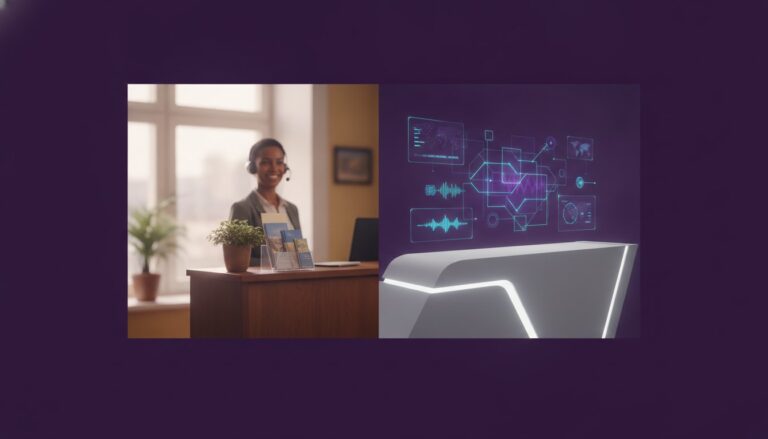
Static reception is dead. A virtual phone assistant represents an intelligent, AI-driven layer that lives between your inbound marketing and your internal sales team. While traditional systems simply route calls, this modern solution actively manages them. It doesn’t just “take a message”; it qualifies the lead, answers specific queries, and books the appointment directly into your calendar. To understand the broader context, it’s helpful to look at the historical definition of What is a Virtual Assistant?, which has evolved from simple administrative support to sophisticated technical integration. This technology acts as a strategic bridge, ensuring that the momentum generated by your marketing campaigns isn’t lost to a silent phone line.
The Evolution of Business Call Handling
The journey from copper wires to cloud-based systems has been rapid. If you’re still using standard voicemail, you’re essentially maintaining a “lead graveyard” where high-value opportunities go to expire. In the 2026 economy, consumer patience has evaporated. Industry data indicates that 89% of small businesses now use AI to meet the rising demand for instant gratification. If a prospect calls and hits a recording, they don’t wait; they simply move to the next search result. Transitioning to what is a virtual receptionist in the modern sense means moving away from passive recording toward active, real-time problem solving.
Core Capabilities of a 2026 Virtual Assistant
How a Virtual Assistant Heals Your Operational Friction
Revenue leaks are often silent. For most businesses, the most significant drain on profitability isn’t a high overhead or a poor marketing strategy; it’s the simple, recurring failure to answer the phone. Every time a high-value lead hits a voicemail box, the probability of conversion drops significantly. This silent revenue killer compounds over a fiscal year, turning missed calls into massive annual losses that are often miscategorized as “marketing inefficiency” rather than the operational friction they truly are.
A virtual phone assistant provides the immediate “Yes” that modern consumers demand. This frictionless entry creates a powerful psychological impact, establishing instant brand authority. When a caller receives a professional, intelligent response instead of a generic recording, their perception of your business shifts from a local vendor to a sophisticated market leader. This isn’t just about politeness. It’s about capturing the “Data Goldmine” of every interaction. By automatically documenting lead intent and sentiment, these systems allow you to understand why people are calling before you ever pick up the phone, turning every dial into a documented business opportunity.
Eliminating the After-Hours Lead Leak
The marketplace doesn’t close at 5:00 PM. In fact, many of your most qualified leads are searching for solutions after their own workdays have ended. Implementing an automated lead response system is the definitive line between securing a new client and handing them to a competitor. The math of 24/7 availability is clear: if you can increase your lead capture rate by even a small margin without increasing your payroll, the ROI on “always on” reception becomes undeniable. Consider a small service-based business that grew 30% simply by ensuring every call at 8:00 PM resulted in a booked appointment rather than a forgotten message. If you are interested in exploring strategic AI integration, the transition from manual friction to automated flow is the most logical first step.
Automating the Front-Desk Workflow
Your physical staff is likely overwhelmed. By filtering low-value inquiries and handling repetitive FAQs, a virtual phone assistant reduces the cognitive load on your human team. This allows your receptionists or office managers to focus on high-stakes strategy and complex client needs rather than basic calendar management. AI-driven assistants handle the heavy lifting of appointment setting, ensuring your schedule remains optimized without the back-and-forth of manual coordination. This transition from traditional, manual processes to a streamlined future-state is what separates stagnant businesses from those ready to scale in 2026.
The choice of how you handle an inbound call defines your operational ceiling. If you rely on legacy Interactive Voice Response (IVR) systems, you’re testing customer patience with every “Press 1” prompt. If you hire live answering services, you’re battling high overhead and inconsistent service quality. A modern virtual phone assistant bypasses these bottlenecks by providing instantaneous, intelligent engagement that scales without a corresponding spike in payroll. It represents a shift from passive message-taking to active, strategic engagement that mirrors the sophistication of your brand.
The Death of ‘Press 1 for Sales’
Legacy IVR systems are relics of a slower era. They create immediate friction, leading to high bounce rates as callers grow frustrated with rigid menus that don’t address their specific needs. In the 2026 economy, 66% of customer service organizations have already moved toward AI agents to handle routine inquiries. The shift is toward Intent-Driven routing, which uses Natural Language Processing to understand exactly what the caller wants the moment they speak. Intent-Driven routing is the future of business telephony because it replaces static menus with dynamic, conversational problem-solving. By identifying the caller’s purpose immediately, you eliminate the “menu fatigue” that kills modern conversions and prevents high-value leads from hanging up in frustration.
Live Agents vs. AI Efficiency
Cost-per-interaction analysis reveals a stark reality for high-growth SaaS and service firms. Human-powered receptionists can cost approximately $10 per call; a figure that becomes unsustainable as your lead volume triples. An AI-driven virtual phone assistant remains operational 24/7, handling an infinite number of concurrent calls with zero wait times. This level of efficiency transforms your front desk from a cost center into a high-performance engine for revenue capture. When your call volume spikes due to a successful marketing campaign, the AI scales instantly, ensuring no opportunity is lost to a busy signal or a long hold time.

Implementing Your Virtual Assistant: A Strategic Roadmap
Successful deployment requires more than just picking a phone number. It demands a methodical audit of your current call flow to identify exactly where your leads are dropping off. A virtual phone assistant is only as effective as the logic behind it. When you consider that 91% of small businesses using AI report revenue increases in 2026, the incentive to move beyond manual oversight is clear. Start by analyzing your peak call times and identifying the specific moments your staff becomes overwhelmed. This data provides the foundation for a “Call Playbook” that ensures every interaction follows a high-conversion path.
Mapping the Ideal Conversation
Identify the top five reasons clients dial your number. Whether it’s pricing inquiries, scheduling requests, or technical support, your assistant must be prepared with precise, empathetic responses. Your greeting should balance professional authority with practical business empathy, setting the tone for the entire relationship. Define clear “Hand-off” rules to determine when the AI should escalate a call to a human team member. This ensures that while routine tasks are automated, complex strategic issues always receive the specialized attention they require. If you’re ready to deploy your strategic AI solution, start by refining these conversational triggers.
Integrating for Maximum Impact
A siloed assistant is a wasted asset. To achieve maximum ROI, your virtual phone assistant must integrate directly with your existing tech stack, including your CRM, Slack channels, and team calendars. This connectivity eliminates manual data entry and ensures that your sales team is notified the second a high-value lead is captured.
- Instant CRM Logging: Every call transcript and lead detail is synced automatically, providing a single source of truth for your sales pipeline.
- Real-Time Notifications: Set up alerts for specific keywords or high-intent callers to ensure immediate human follow-up when necessary.
- Global Continuity: Maintain a professional brand presence across all time zones, ensuring that a caller in London receives the same elite service as one in Los Angeles.
Execution doesn’t end at setup. Use call transcripts to test and iterate on your assistant’s performance. By reviewing how the AI handles diverse queries, you can refine its responses to better reflect your brand’s evolving voice. This iterative process turns your communication layer into a living, breathing asset that grows alongside your business, constantly identifying and closing new revenue leaks.
Hello Voice AI: Your Definitive 24/7 Strategic Partner
Hello Voice AI isn’t just another software addition; it’s a fundamental shift in how your business handles its most valuable asset: the inbound call. While previous sections detailed the technical evolution of the virtual phone assistant, this is where theory meets execution. By deploying an ai voice receptionist, you’re implementing a definitive fix for the revenue leaks that plague traditional systems. This is the strategic hire that never sleeps, never takes a sick day, and maintains a perfect brand image regardless of the hour. You’re effectively gaining the output of three full-time receptionists without the associated payroll, training overhead, or management friction.
The core promise is simple: turn operational friction into streamlined growth. In a 2026 market where speed is the ultimate currency, staying tethered to manual call handling is a choice to leave money on the table. Hello Voice AI ensures that no lead ever hits a voicemail graveyard. Instead, every caller is met with an intelligent, responsive partner capable of qualifying leads and booking appointments in real-time. This 24/7 availability means your marketing efforts are finally supported by an infrastructure that matches their intensity, ensuring that every dollar spent on lead generation has a chance to convert.
Built for Business Growth
Think of Hello Voice AI as your company’s efficiency expert. It does more than answer phones; as a virtual phone assistant, it provides the granular data necessary to track marketing ROI with total accuracy. When you capture 100% of your inbound calls, you gain a complete picture of which campaigns are driving high-intent traffic and which are failing to convert. This level of visibility allows you to reallocate your budget toward the channels that actually move the needle. By bridging the gap between your marketing spend and your sales results, you’re not just answering calls; you’re optimizing your entire growth engine.
The transition from a manual, leaky funnel to an automated, high-performance system is the most logical step for any business focused on scaling its credibility. If you’re tired of watching high-value opportunities slip through the cracks of a traditional front desk, it’s time to adopt the modern fix. Start your Hello Voice AI journey today. and ensure that every dial becomes a documented business opportunity.
Secure Your Competitive Edge in the 2026 Economy
The era of passive call handling has ended. We’ve explored how moving beyond the “lead graveyard” of voicemail is no longer optional for businesses that prioritize growth. Implementing an intelligent communication layer ensures you capture every high-value opportunity while reducing the cognitive load on your human staff. By replacing static menus with intent-driven responses, you eliminate operational friction and establish immediate brand authority. A virtual phone assistant isn’t just a tool; it’s a strategic asset that bridges the gap between marketing and revenue.
With 24/7 lead capture, instant CRM integration, and a future where you suffer zero missed call revenue loss, the path to scaling is clear. You now have the roadmap to transform your front desk into a high-performance engine that works as hard as you do. Scale your business with the ultimate 24/7 AI Voice Receptionist. Your next great opportunity is just one answered call away; make sure your business is ready to meet it.
Frequently Asked Questions
Is a virtual phone assistant the same as an automated answering service?
No, they are fundamentally different in their logic and output. A traditional answering service typically records a message or follows a rigid menu. In contrast, a virtual phone assistant uses Natural Language Processing to understand intent and solve problems in real-time. It acts as an intelligent communication layer that can qualify leads and provide specific information rather than just acting as a digital recording device.
Can a virtual phone assistant actually book appointments in my calendar?
Yes, this is one of the primary strategic advantages of modern AI voice technology. By integrating directly with your scheduling software, the assistant can check your real-time availability and secure a slot for a qualified lead. This eliminates the back-and-forth of manual coordination. It transforms a simple inquiry into a confirmed business opportunity without any human intervention from your internal team.
How much does a virtual phone assistant cost compared to a live receptionist?
The cost structure is significantly more efficient because it eliminates the overhead of a full-time salary, benefits, and office space. While a live receptionist is limited by their physical capacity and working hours, an AI-driven solution provides 24/7 coverage for a fraction of the expense. This allows high-growth firms to scale their front-desk operations without a linear increase in their payroll or administrative friction.
Will my customers know they are talking to an AI assistant?
Legal standards in 2026, such as the California AI Chatbot Law and the EU AI Act, require transparency for AI interactions. While the assistant’s voice is fluid and natural, it typically discloses its non-human status at the beginning of the call. This transparency builds trust while still providing the immediate, high-quality service that customers expect. Most callers value the instant response and efficiency over the specific nature of the agent.
Does a virtual assistant work with my existing business phone number?
Yes, you can easily integrate this technology with your current business line. Most systems use simple call forwarding or porting to ensure that your established brand identity remains intact. When a call comes in, it’s routed through the AI layer for processing before reaching your staff. This setup ensures business continuity and allows you to upgrade your communication infrastructure without changing your contact details.
Can the assistant handle multiple calls at the same time?
Yes, the system offers virtually infinite scalability that a human team simply cannot match. A virtual phone assistant can process dozens or even hundreds of concurrent calls without any wait times or busy signals. This capability is essential for businesses that experience unpredictable call spikes during marketing campaigns. It ensures that your lead capture rate remains at 100% regardless of how many people dial your number at once.
What happens if the AI assistant doesn’t know the answer to a question?
The system follows pre-defined “Hand-off” rules to manage complex or unexpected queries. If the assistant encounters a situation it isn’t trained for, it can seamlessly escalate the call to a human team member or take a detailed message for follow-up. This ensures that callers are never left without a resolution. It maintains a professional brand image by acknowledging the limit of its current knowledge and providing a clear path forward.